
6th June 2025
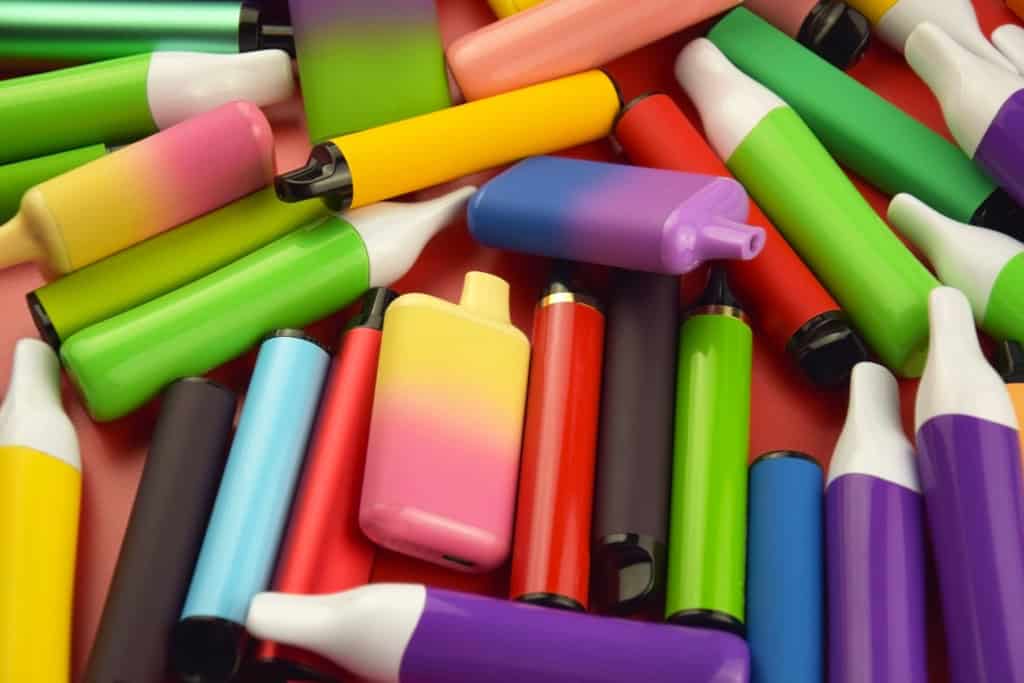
The disposable vape ban came into force on the 1st June, meaning that any single use disposable vape is now illegal and therefore unregulated. A legal vape must be rechargeable and refillable, meaning it has to have a battery and needs to have either a removable and replaceable coil or a chamber, pod or tank that can be refilled with e-liquid. To be considered reusable, replacement components like pre-filled pods, e-liquid refill bottles and coils must be separately available to buy either in-store or online. You can check whether specific products are legal by checking the Medicines and Healthcare Products Regulatory Agency's notified products list. If you search for a product and it doesn't appear, it means it is illegal as all legal nicotine-containing vapes are listed.
Is it illegal to own a disposable vape? No, being in possession of a disposable vape is not illegal unless that person is intending to sell or supply them. People who still have disposable vapes are able to return the vapes and vape parts to shops that have sold them, and those shops will have an obligation to dispose of them properly Any leftover disposable vapes in shops after 1 June will have to be recycled. The government says disposable vapes should only be disposed of in vape bins or returned to stores.
What is the punishment for continuing to sell and supply disposable vapes? A variety of government agencies, including the Border Force and trading standards, can inspect shops for illegal vapes and report anyone breaking the rules. How to report illegal vapes To report suspected illicit vape sales to Trading Standards, you should contact the Citizens Advice Consumer Service. They will log your report and forward it to Trading Standards, while also providing free consumer advice. You can reach them by phone at 0808 223 1133.
Storage and disposal of confiscated vapes and vaping liquids Vapes contain electrical components, including lithium-ion batteries, and are therefore considered Waste Electrical and Electronic Equipment (WEEE), in UK law. Such equipment should never be disposed of in household waste and should instead be handed in to an approved collector of WEEE waste. Larger vape stores may operate collection points, or you can contact your local authority waste service for further information. Storage The lithium-ion batteries contained in vapes have, in isolated incidents, ignited when damaged or improperly stored. The advice is to store them in a clearly marked container, away from flammable material (and for no longer than necessary) until they can be safely disposed of. Testing services to see if vapes contain Spice/THC or other illicit substances WEDINOS is a Drug testing service
WEDINOS is a national harm reduction project supported by Public Health Wales. They provide a free, anonymous sample testing service and collect the data to understand the drug supply in Wales and across the UK. www.wedinos.org WEDINOS Project Cardiff Toxicology Laboratories 4th Floor, Academic Centre University Hospital Llandough Penarth CF64 2XX
Here's a summary of penalties in each country:
England and Wales Civil sanctions for those selling or supplying disposable vapes can include a stop notice, a compliance notice or a fine of £200. If someone continue to violate the rules, they can be charged with an unlimited fine, a prison sentence of up to two years, or both.
Scotland If a store or online shop sells disposable vapes, a fixed penalty notice of £200 can be applied, which, if paid within 14 days, would be discounted to £150. The fine rises by £200 every time they are caught. If the fixed penalty notice is refused, or in instances where an enforcement officer does not consider a fine appropriate, the offender can be fined £5,000, sentenced to two years in prison, or both.
Northern Ireland There aren’t civil sanctions in Northern Ireland, and anyone breaking the rules could instead receive a fine of up to £5,000 on summary conviction in a magistrates' court. On further conviction, they could face a prison sentence of up to two years.